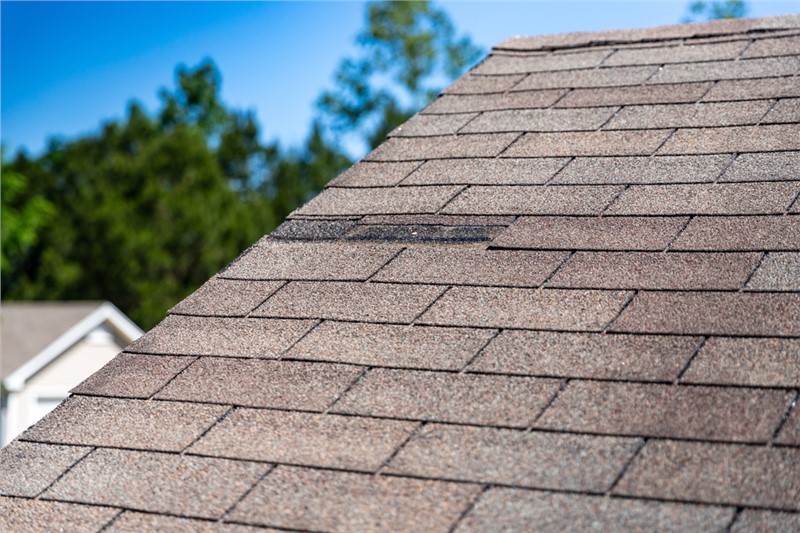
 Severe weather doesn’t always announce itself with a leak. In many cases, hail and wind create damage that’s easy to miss from the ground but still affects roof performance over time. That’s why the best “post-storm plan” isn’t panic—it’s a repeatable process: document, evaluate, and respond based on condition, not guesswork.
RoofCare365 combines certified inspections, standardized reporting, and PSAI-powered weather intelligence to help homeowners and property owners take the right next step after storms—whether that’s immediate repair, monitoring, or planning ahead.
Why storm damage is often invisible
Wind can lift shingle edges, loosen fasteners, or compromise flashing without removing anything outright. Hail can bruise shingles, fracture protective granules, or dent vents and soft metals. None of that is guaranteed to cause an immediate leak—but it can shorten roof lifespan and create weak points that fail later.
Also, “storm intensity” can be localized. Your neighborhood may experience stronger gusts or hail size than areas a few miles away, which makes storm context and property-level monitoring valuable.
Common signs of wind damage
From the ground, watch for:
- Missing shingles or visible dark patches
- Lifted or curling edges (often along ridges and roof borders)
- Uneven shingle lines that look “wavy” after a wind event
- Debris accumulation in valleys and behind chimneys
- Loose or detached gutters/downspouts (often a clue that wind hit hard)
Inside, look for new stains, musty smells, or damp insulation—especially after rain following wind.
Common signs of hail damage
Hail damage can be subtle. You may not see it unless a professional checks the right spots.
Potential indicators include:
- Dents on soft metals (vents, flashing, gutter screens)
- Granules collecting at downspout exits
- Dark “impact” marks or scuffed areas on shingles
- Cracked pipe boots or compromised seals
- Skylight or window trim impacts around the roofline
A key point: not all hail marks equal functional damage. That’s why a standardized inspection matters—so you’re not overreacting or underreacting.
What to do after a storm: a simple, smart workflow
Here’s a practical post-storm approach that works for homeowners and portfolios:
- Record the date and event
Even a quick note helps: “High wind overnight,” “Hail reported,” etc. - Do a safe ground-level check
Walk the perimeter, take photos of obvious issues, and look for debris or missing components. - Avoid DIY roof walking
It’s a safety risk and can cause accidental damage (or complicate assessment). - Schedule a certified inspection
A trained contractor can document roof and exterior condition consistently—especially important if you’re comparing changes over time. - Save a standardized report
This is where RoofCare365 shines: a photo-backed, consistent format that helps you make decisions without fuzzy “before/after” memory.
How RoofCare365 reduces post-storm uncertainty
After severe weather, most people want one thing: clarity. RoofCare365 supports that with:
- RoofCare365 Certified Report: standardized documentation with photos and clear findings
- Certified contractor network: inspections aligned to consistent standards
- PSAI-powered weather intelligence: monitoring and storm context to understand what your property likely experienced
- Repeat inspections: compare condition over time to spot trendlines and change
This doesn’t promise insurance outcomes or specific claim results—but it does help you avoid the most common failure mode: waiting until small storm damage becomes expensive water intrusion.
When “monitoring” is the right answer
Not every storm means immediate replacement or major repair. Sometimes the smartest move is to document condition, address obvious vulnerabilities (like flashing or a missing shingle), and monitor. With RoofCare365, your reporting stays consistent so you can measure whether condition is stable—or getting worse.
Don’t guess after storms—document and decide
If your area has experienced hail or wind recently, enroll your property and schedule a RoofCare365 Certified Report. You’ll get a clear snapshot now, plus a repeatable way to track roof health over time.
Comments