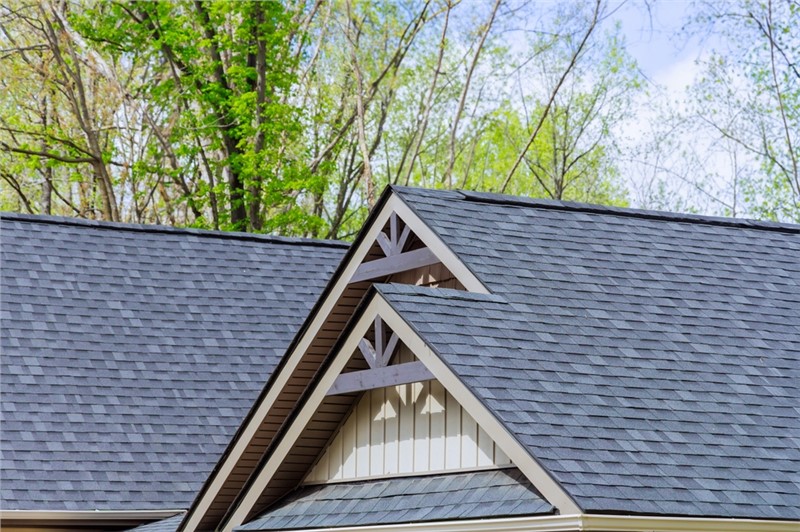
 Most roof problems don’t start as emergencies. They start as small, easy-to-miss issues: a lifted shingle after a windy day, a tiny sealant crack around a vent pipe, or clogged gutters that push water where it doesn’t belong. The good news is that consistent seasonal upkeep can prevent a lot of surprise repairs—and help you plan the big stuff (like replacement) with fewer “uh-oh” moments.
RoofCare365 was built for this exact reality: homeowners and property owners want a clear, standardized way to understand roof condition, track changes over time, and respond faster after severe weather. Combine smart seasonal habits with a RoofCare365 Certified Report and ongoing weather awareness, and you’re no longer guessing—you’re managing.
Why seasonal roof maintenance matters
Roofs take a beating in cycles. Sun and heat age materials. Freeze/thaw expands tiny gaps. Wind tugs at edges and flashing. Heavy rain tests every seam and penetration. Over time, normal wear adds up—especially around the roof’s most vulnerable areas: transitions, valleys, pipe boots, skylights, chimneys, and gutters.
Seasonal maintenance matters because it:
- Reduces leak risk by catching weak points early
- Helps extend roof life by preventing accelerated deterioration
- Improves budgeting by turning surprises into planned projects
- Creates documentation useful for resale conversations and insurance discussions (without promising outcomes)
The seasonal checklist (what to do, and when)
You don’t need to climb on your roof to be proactive. In fact, for safety and to avoid accidental damage, most roof checks should be done from the ground—or by a certified contractor.
Spring: Recover from winter
Winter can hide problems until temperatures rise. Spring is the time to look for “wake-up” issues.
- Walk the perimeter and scan roof lines for missing, curling, or lifted shingles
- Check gutters and downspouts for clogs, sagging, or detached sections
- Look for granules collecting near downspouts (asphalt roofs naturally shed some, but heavy buildup can signal wear)
- Inspect attic/ceilings for new staining, musty smells, or damp insulation
- Scan flashing areas (chimneys, vents, skylights) for rust, gaps, or dark streaking
If you suspect damage, skip DIY patching. A quick temporary fix can trap moisture or complicate professional repairs later.
Summer: Heat and UV stress test
Summer sun can accelerate aging—especially on older roofs or those with poor ventilation.
- Watch for shingle “blistering” or cracking from the ground (uneven texture, shiny spots, or irregular patches)
- Look for soft spots inside (warm attic, condensation, or unexpected humidity)
- Trim overhanging branches to reduce abrasion, shade moisture retention, and storm impact risk
- Confirm bathroom/kitchen vents exhaust outside properly (not into the attic)
This is also a great season to schedule an inspection because weather is typically stable and contractors can document condition clearly.
Fall: Prepare for storms and freeze/thaw
Fall is the most important season for prevention. You’re prepping for heavier weather and temperature swings.
- Clean gutters again (especially after leaf drop)
- Confirm downspouts discharge away from the foundation
- Inspect roof edges and valleys where debris collects
- Check sealants around penetrations for cracking or separation
- Look for signs of animal activity near soffits, vents, and eaves
Fall maintenance is less about perfection and more about removing the obvious risk multipliers: debris, drainage issues, and exposed weak points.
Winter: Monitor, don’t climb
Winter is for observation and quick response—not roof walks.
- Watch for ice dams and unusual icicle patterns
- Look for sudden interior staining after snowmelt events
- Clear safe access points (driveways, walkways) so help can arrive quickly if needed
- Keep documentation handy if severe weather hits
The “maintenance myths” that cost people money
A few common assumptions lead to delayed repairs and bigger bills:
- “No leaks = no problem.” Many roof issues show up as slow moisture intrusion long before a drip appears.
- “A quick caulk job solves it.” The real issue is often flashing, underlayment, or decking—not just surface sealant.
- “Storms are obvious.” Hail and wind damage can be subtle and still reduce performance.
How RoofCare365 helps you stay ahead
Seasonal habits are powerful, but they get even better when paired with a repeatable system:
- RoofCare365 Certified Report: standardized, photo-backed documentation of roof and exterior condition with clear next steps
- Certified contractor inspection: trained professionals who follow consistent standards
- PSAI-powered weather intelligence: storm context and monitoring so you can act quickly after hail, wind, or severe weather
- Repeat inspections over time: track changes and budget confidently
The biggest advantage? You’re not relying on memory (“Was that shingle like that last year?”). You’re relying on documentation.
Make roof maintenance a system, not a scramble
If you want fewer surprises and clearer planning, enroll your property and get a RoofCare365 Certified Report. You’ll know what’s happening today—and you’ll have a standard way to track roof health over time.
Comments